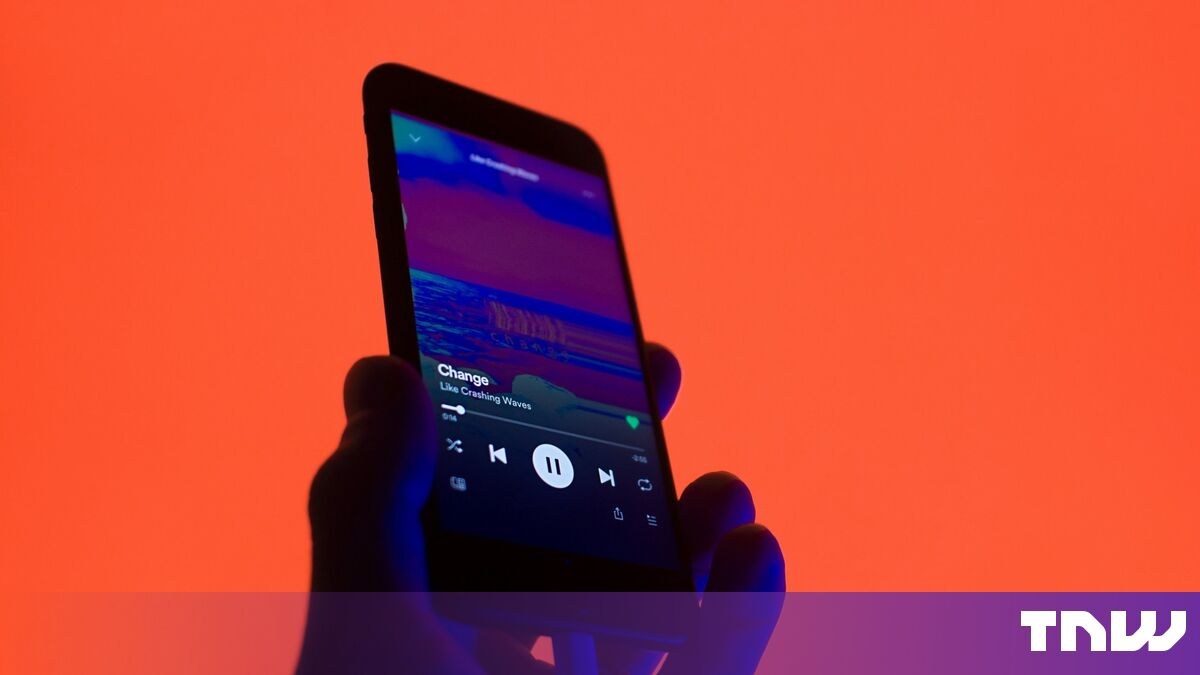

The Spotify AI remix tool is happening: fans will get to remix their favorite songs with AI for $4 to $5 a month, and here’s the part almost everyone missed. Artists whose songs get remixed get a cut of that money.
The Financial Times reported on October 30 that the streaming giant plans to launch the tool in early 2027, possibly around the Grammy Awards in February. If you make music, or you’ve ever dreamed of hearing your track reimagined as a dance anthem, this is the first AI music program that actually pays the humans on both sides.
What Spotify is actually building
The Spotify AI remix tool lets Premium subscribers generate new versions of existing songs. Picture turning a folk ballad into a club remix, or hearing what your song would sound like if a different artist performed it. The Financial Times says users would create covers and remixes directly in the Spotify app, with the output counting toward the original song’s streams.
There’s a catch that matters: only artists who explicitly opt in will be available for remixing. Even if a record label signs a licensing deal with Spotify, an individual artist can still say no. The company has also hinted that remixes could show up in playlists, which would give fan creations a real path to being heard.
The pricing isn’t final. Spotify is weighing an add-on that costs $4 to $5 monthly on top of a regular Premium subscription. That puts it in impulse-purchase territory, which is exactly where fan tools live or die.
The licensing deals that made this possible
This didn’t come out of nowhere. Spotify signed its first formal generative AI licensing agreement with Universal Music Group back in May 2026. That deal set the template: artists and songwriters opt in, and they share the revenue.
Since then, the company has lined up agreements with Merlin, the independent label group, plus music publisher Kobalt and distributor Believe. The Believe deal even covers independent artists who use its TuneCore platform, which is significant if you distribute your own music.
Co-CEO Gustav Söderström has also said Spotify could launch without every major label on board. So don’t expect a universal catalog on day one. Think of it more like a growing list of participating artists than an all-you-can-remix buffet.
How creators can actually make money here
Let’s get concrete. If the tool launches as described, there are three realistic money paths.
First, the obvious one: artists who opt in collect royalties when fans remix their songs. Every remix play feeds the original track’s stream count, so a viral remix directly boosts your catalog income. It’s passive income powered by your fans’ creativity.
Second, the fan side. A $4-5 monthly tool that produces studio-quality remixes is a content engine for anyone running a music page, a DJ brand, or a playlist curation business. Remixed tracks that chart on Spotify count toward the original song, but the attention flows to whoever made the version people can’t stop sharing.
Third, the skills premium. Someone has to learn what prompts produce good remixes, and “Spotify remix specialist” is the kind of freelance listing that didn’t exist last year. Early movers on new creator tools historically charge the most. When Suno v6 arrived with licensed music generation, the first wave of creators offering custom songs set the rates everyone else followed.
None of this is guaranteed money. It’s an early door worth standing near, and it sits right next to the licensed AI music wave that Suno v6 started earlier this year.
The comparison that matters
The Spotify AI remix tool isn’t the only game in town, either. Here’s how the landscape lines up:
| Platform | What it does | Artist consent | Cost to fans |
|---|---|---|---|
| Spotify AI remix tool | Fan covers and remixes of real songs inside Spotify | Opt-in per artist | $4-5/month add-on (planned) |
| ElevenLabs fan remix platform | UMG-licensed remixes outside Spotify | Licensed via UMG deal | Not announced |
| Deezer Remix Lab | Fan remixes without generative AI | Artist-controlled | Free tier |
| Suno v6 | Fully generated licensed AI music | Licensed catalog deals | Subscription tiers |
The pattern across all four: licensing and consent moved from afterthought to foundation. The unlicensed wild west is closing, and the money is moving to platforms where artists said yes. Our guide to YouTube Music AI labels covers the other side of that shift: spotting machine-made songs after they’re uploaded.
What to watch before February
Announcements are cheap. Before you build a strategy around this, watch for three signals.
One, the actual launch lineup. If the February unveil ships with only a handful of major artists, the remix economy starts small. Two, the final price. If Spotify lands at $4 with a free preview tier, adoption could be massive; at $5 with no trial, slower. Three, payout clarity. “Artists get a share” is not the same as knowing what a remix play is worth. Wait for real creator dashboards and real numbers.
There’s also a quality question nobody can answer yet. Fan remixes will flood in, and Spotify has already pulled 50 million AI slop tracks out of its recommendations this year. The company says remix plays count toward charts, which is exciting and slightly terrifying for chart integrity. Watch how they filter the flood.
How to get your music ready right now
The Spotify AI remix tool hasn’t opened opt-ins yet, but you can avoid the classic mistake: being unreachable when the window opens. Independent artists whose catalogs are messy get left out of these programs for boring administrative reasons, not talent.
- Make sure your distribution is current. If you release through TuneCore, you’re already covered by the Believe agreement. Other distributors haven’t announced deals yet, so watch for news from yours.
- Clean up your metadata. Correct artist name spelling, consistent song titles, and real rights-holder information. Licensing deals match catalogs by metadata, and mismatches drop songs out.
- Claim every profile you have. Spotify for Artists, your publisher account, your PRO registration. When opt-in choices arrive, they’ll land in these dashboards.
- Decide your stance early. Some artists want zero AI involvement, which is a legitimate choice the opt-in system respects. Deciding now beats a rushed decision when the feature goes live.
None of this costs money. It’s just making sure that when the Spotify AI remix tool opens its doors, your catalog walks in.
The takeaway
You can’t remix anything on Spotify today, so don’t pay anyone claiming early access. Instead, if you’re an artist, make sure your distributor relationship is in order, because opt-in windows reward people who are easy to reach. And if you’re a creator on the fan side, mark February on your calendar. The first month of a licensed remix tool is exactly when the earliest experiments get the most attention.