


Booking a restaurant table used to mean ten minutes of tab-hopping: open the app, filter the neighborhood, squint at menus, pray the 7:30 slot is real. Now you can type “somewhere fun for six people, good for a birthday, not a club scene” and get an actual reservation. The OpenTable AI concierge and its ChatGPT and Perplexity integrations turned restaurant booking into a conversation, and most people haven’t tried it yet.
That’s about to be a problem for the unprepared, in the mildest possible way. AI-assisted bookings already drove 17 times more seated diners year over year across OpenTable’s network, and diners who arrive through those channels spend about 20% more per visit, per OpenTable’s own announcement. Your favorite place’s Saturday night is being booked by people who let a chatbot do the work. Here’s how to join them, starting with the OpenTable AI concierge itself.
Booking a table with ChatGPT or Perplexity
The two big AI platforms both book through OpenTable, so the flow feels similar either way. Perplexity’s version is the cleanest to demo, so start there.
- Open Perplexity and describe the dinner like you’d describe it to a friend. “Casual Italian in Lincoln Park for Friday, 7 pm, six people, one kid” works. So does “fanciest decor in town” with, per Perplexity’s own example, “happy hour with giant margaritas.”
- It answers with actual restaurants from OpenTable’s network of 60,000+ venues, filtered to your request rather than a generic “top rated” list.
- Pick one, and the booking happens right there in the chat via OpenTable, confirmation included. No app hop.
ChatGPT works the same way in spirit: you converse, it surfaces OpenTable restaurants, and you complete the reservation without leaving the chat. Neither flow requires an OpenTable login for the discovery part, though you’ll confirm details as you book.
Honestly, the killer feature isn’t speed. It’s the nuance. Traditional filters give you checkboxes for cuisine, price, and time. But they can’t parse “somewhere my vegan sister and my steak-obsessed dad will both be happy.” Conversational booking handles that in one shot.
Getting better results from the chat
A few habits make the difference between generic suggestions and a table you’ll actually remember:
- Name the occasion. “Anniversary, quiet, white tablecloths” filters out the loud birthday-bar scene before it wastes your time.
- Give one hard constraint and one soft one. “Must take reservations at 7:30 Saturday, ideally somewhere with parking” gives the model room to rank.
- Iterate once. If the first list misses, say what’s wrong (“less trendy, more neighborhood”) instead of starting over.
- Ask about the room. “Is this place good for conversation?” surfaces noise issues that star ratings never mention.
One warning from real use: the chat finds great matches for ordinary dinners, but edge cases still belong to humans. Private dining for twenty, multiple separate checks, a cake with dietary minefields? Call the restaurant. The AI gets you to the right host; the host handles the weird stuff.
Inside the OpenTable AI concierge
OpenTable’s own assistant is called Concierge, and the OpenTable AI concierge is not some bolted-on chatbot either. It launched in July 2025 with a specific job: answer diner questions instantly inside the booking flow, for its 60,000+ restaurants on the network.
The questions it eats are the ones you’d otherwise call the restaurant to ask. Roughly 46% of diner questions are about opening hours, 39% cover menu items, and 22% are just trying to find the address. Concierge answers all of that from the restaurant’s own data: menus, reviews, descriptions, plus Perplexity and OpenAI APIs underneath doing the language work.
So the loop looks like this now: ask the chatbot for ideas, get matches, interrogate the menu through Concierge, book, done. The whole thing runs in minutes, on the couch, without a single phone call. Sound familiar? It’s the same shift that happened to travel search, except restaurants got there quietly.
What’s worth knowing about Concierge specifically: it answers from the restaurant’s own listings, so the hours, menu highlights, and wait times come from the source rather than a year-old blog post. Ask it what first-timers usually order. Check whether the bar seats walk-ins. Have it compare two candidates on noise level. It won’t recite every Yelp grievance, which is honestly a feature, but it handles the practical questions that used to cost the restaurant a phone interruption and cost you a hold queue.
What the numbers say about AI booking
Skeptical? Fair. Look at OpenTable’s own data from its September 2026 product update, then decide.
| What OpenTable reports | The number |
|---|---|
| Growth in seated diners from AI channels, YoY | 17x |
| Average spend of AI-channel diners vs other channels | +20% |
| Monthly active users on AI Concierge | 500,000+ |
| Restaurants on the network | 60,000+ |
A 17x jump from a small base is still a real signal: discovery is moving to chat. And the 20% spend bump makes sense once you think about it. People who describe exactly what they want (“tasting menu, quiet corner”) end up at places that fit, so they order like they mean it.
The catch to keep in mind: these are OpenTable’s internal numbers, self-reported in its own announcement. Directionally believable, but treat them like a restaurant describing its own food.
If you run a restaurant: the other half of the update
Maybe you’re not just booking tables. Maybe you run the place. OpenTable’s September update, its biggest restaurant product release yet, packed in 20+ features aimed squarely at operators drowning in admin work. The rollout spans demand generation, reporting, table management, and software integrations, which is a polite way of saying: the boring half of running a restaurant just got automated.
Table Automations adjusts table minimums based on live demand. It has processed over 2 million automations since its test phase, and early users saved an average of 4.5 hours a month. That’s real payroll, not a chatbot gimmick.
Turn Times and Availability Insights show where a venue loses bookable hours. In testing, operators regained an average of 39 minutes of reservable time per shift. Multiply 39 minutes by two shifts by 365 days and the math starts looking like a hired hand you didn’t pay for.
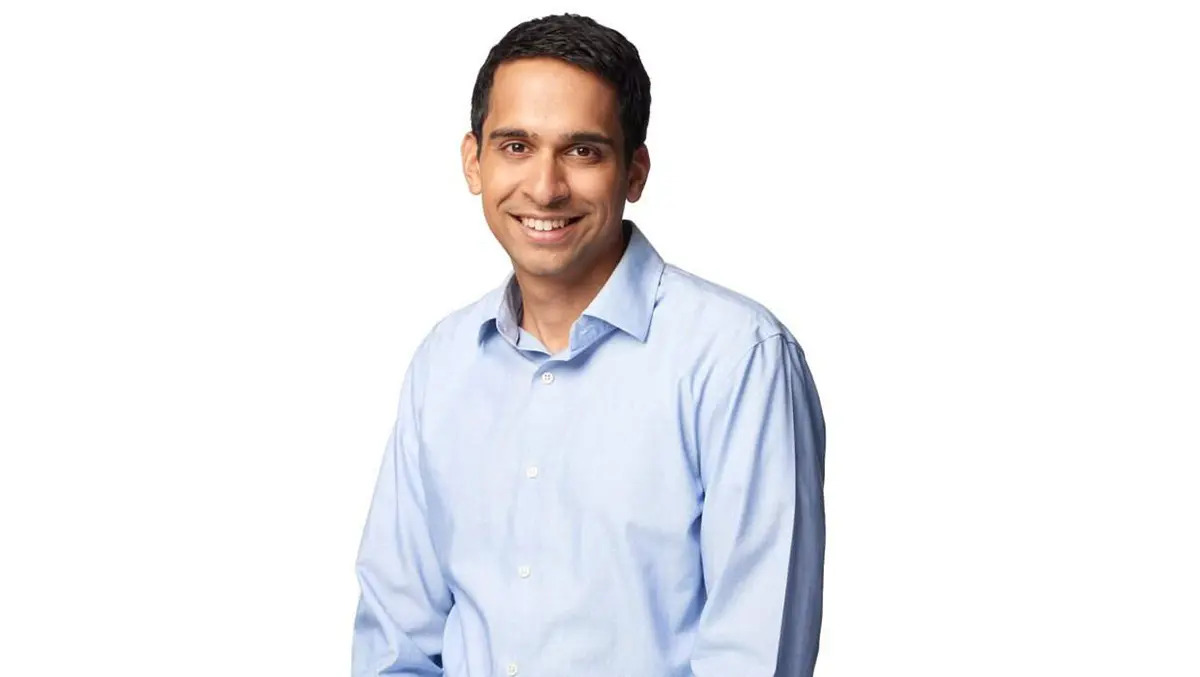
Conversational Reporting, currently in testing, lets an operator ask “which locations had the biggest jump in covers?” in plain English and get the answer, no dashboard spelunking. And the upgraded guest CRM holds 10 times more detail than a standard guestbook, including cross-location visit history for groups. As OpenTable CTO Sagar Mehta put it, restaurants are under pressure “to do more with less, and their technology needs to solve real problems quickly.”
If you want the broader picture of where autonomous agents are heading beyond reservations, we’ve covered AI browser agents that act on your behalf, and Claude’s commerce agents that shop for you. For owners collecting guest feedback, AI voice feedback tools skip the forms entirely. And if you’re wondering whether booking bots hand your details to restaurants safely, the same logic applies as when you let Claude near your inbox: scope the access, keep the log.
What to do before your next dinner
Pick the next occasion you’d normally book by hand and run it through Perplexity or ChatGPT instead. The OpenTable AI concierge handles the same job inside the app when you already know where you’re going. Describe the vibe, not just the cuisine. Check the Concierge answers against the menu when you land on a candidate. Then book in-chat and see how long the whole thing took. My guess: under three minutes, and you’ll never tab-hop again.