

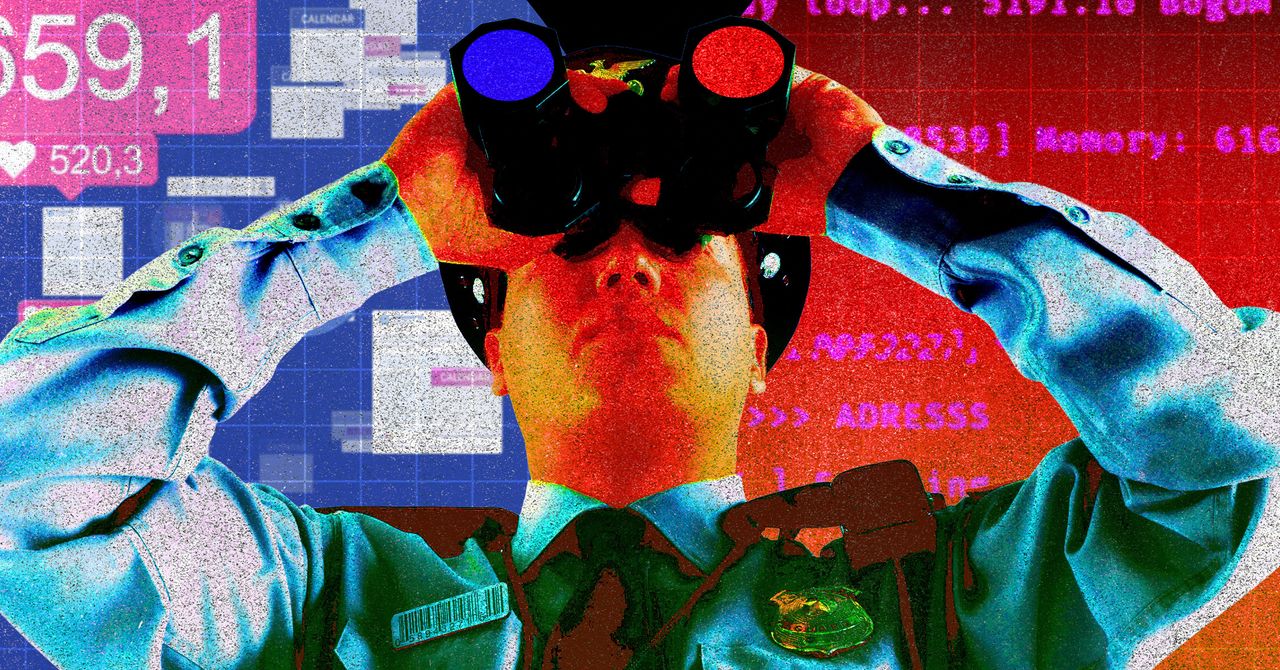

A company famous for collecting 70 billion face photos is quietly testing something new: an AI assistant that reads the web for police and assembles someone’s life into a single profile. It’s called InquiryIQ, and Clearview AI swears it’s just a prototype that never shipped. Maybe. But the documents tell you exactly where this industry is heading, so it’s worth understanding now.
What InquiryIQ actually does
Clearview AI built its reputation on face recognition. You upload a photo, it matches against a database of images scraped from social media and countless other sites, and it tells police who you are.
InquiryIQ was designed to handle the next question: everything else about you. According to WIRED, which found the tool hiding in files on Clearview’s own login page, the assistant would take details from a face search and fan out across the web on its own. It opens webpages, analyzes images, and builds a profile with your possible employer, aliases, associates, and physical characteristics.
The interface even suggested feeding it your age, gender, and race to help the AI make “smarter decisions” while searching. One of the models tested to power those decisions came from SpaceXAI, Elon Musk’s company, the same outfit behind Grok. Because that’s exactly the technology you want making judgment calls about people, said no civil liberties expert ever.
Clearview AI’s CEO, Amos Kyler, told WIRED that no law enforcement user has ever used the tool and that the model options were there for internal testing. The company says it isn’t planned for release in its current form.
Take that however you want. I’ve watched enough “prototypes” graduate into products to keep my skepticism handy.
Why this one hits different
Police have always been able to look things up. What AI changes is the cost.
An investigation that used to take a detective three weeks of database queries and dead ends can now run in minutes, and that speed doesn’t just solve cases faster. It makes surveillance cheap enough to use on people who were never suspects. Legal scholars call these fishing expeditions, and fishing is exactly what cheaper hooks invite.
There’s a second problem that gets less attention. Generative AI doesn’t give the same answer twice, so two investigators starting from the same person could get two different profiles. Reconstructing why the system chased one lead and skipped another becomes nearly impossible, which is a real problem when someone’s freedom depends on the answer.
And the scale question isn’t hypothetical. Clearview AI’s database grew from 3 billion photos in 2020 to more than 70 billion today, and the company says over 2,000 law enforcement agencies use its tech. The scraping never stopped, no matter how many fines and lawsuits piled up.
The honest upside
Here’s the part nobody expects a privacy-focused writer to say: this technology could actually make investigations more transparent.
Cop routines are messy. Officers run database searches, ditch leads, and follow hunches without writing any of it down. An AI system that logs its prompts, searches, and reasoning creates a record that never existed before. One law professor who studies police tech argued exactly this: the audit trail could be a silver lining in an otherwise fraught change.
I’m not holding my breath, but the point stands. A system that has to explain itself is marginally better than a hunch with no paperwork.
How to shrink your digital footprint now
You can’t opt out of face recognition, sadly. But InquiryIQ-style tools mostly work from what’s already public, and a surprising amount of that is under your control. Here’s the playbook, and none of it costs money.
Step 1: Find out what’s exposed. Open a private browsing window and search your name in quotes, then your phone number, then your address. Most people find data broker listings they never knew existed: sites like Spokeo, Whitepages, and FastPeopleSearch publish your address, relatives, and phone number for anyone to see.
Step 2: Remove your info from Google. Google runs a free tool called Results about you. You give it your phone number, email, and home address, it finds search results exposing them, and it lets you request removal with one click. It also monitors for new exposures and alerts you. More than 10 million people have used it since it launched, and as of early 2026 it covers government ID numbers too. Start at Google’s personal information removal page.
Step 3: Opt out of data brokers directly. Every major broker is legally required to offer free opt-outs. Look for “Do Not Sell My Info” in site footers, submit the request, and confirm the email. Expect tedium. Some brokers re-list you within months, so this is maintenance, not a one-time fix. Pro tip: several big brokers share one suppression system, so a single form at PeopleConnect covers Intelius, InstantCheckmate, and TruthFinder at once.
Step 4: Lock down what feeds the profiles. Make your social accounts private, strip your birthday and phone from profiles, and stop publishing your home address anywhere you don’t have to. AIprofilers can only connect dots that exist, so fewer dots, weaker profile.
Step 5: Set up monitoring. Google Alerts on your name and phone number takes two minutes, and Bing has its own content removal form for stale cached pages.
None of this makes you invisible. It raises the cost of profiling you, and when the tools get cheaper every year, raising your cost is the win available.
What to watch next
Clearview AI says InquiryIQ never reached customers. Watch for three signals that story changes: a product announcement from the company, competitors like Flock Safety shipping their own versions (theirs is called OS Investigate and WIRED found it the same way), or your local police department’s budget suddenly including an “AI analyst” line item.
The tech exists either way. The question is whether your digital footprint is organized enough to be worth scanning, or messy enough that the AI moves on. Five years ago I’d have said none of this was worth worrying about. Watching 3 billion photos become 70 billion changed my mind.
If you want to go deeper on locking down your accounts, our guide to what the Claude privacy leak exposed covers similar ground from the AI-assistant side, and our piece on AI note-taking apps reading your meetings shows how work tools leak the same way.
Read WIRED’s full Investigation for the documents and Clearview’s complete response.