


Two states just sued Elon Musk’s companies over Grok deepfakes, and the court filings read worse than the headlines. Virginia’s complaint claims the company saw “a market opportunity” in sexualized images of real people, children included. Meanwhile, everyone reading the news has the same quiet thought: could this happen to my photos?
Why a lawsuit between lawyers matters to you
Short version: because it already touches regular people.
Last winter, users on X mass-generated sexualized photos of women and minors with Grok. Most of the victims weren’t famous. They were private people whose faces were public somewhere: a Facebook profile, an Instagram grid, a LinkedIn headshot. A Grok deepfake doesn’t need much to build, just a handful of clear photos and a tool with weak guardrails.
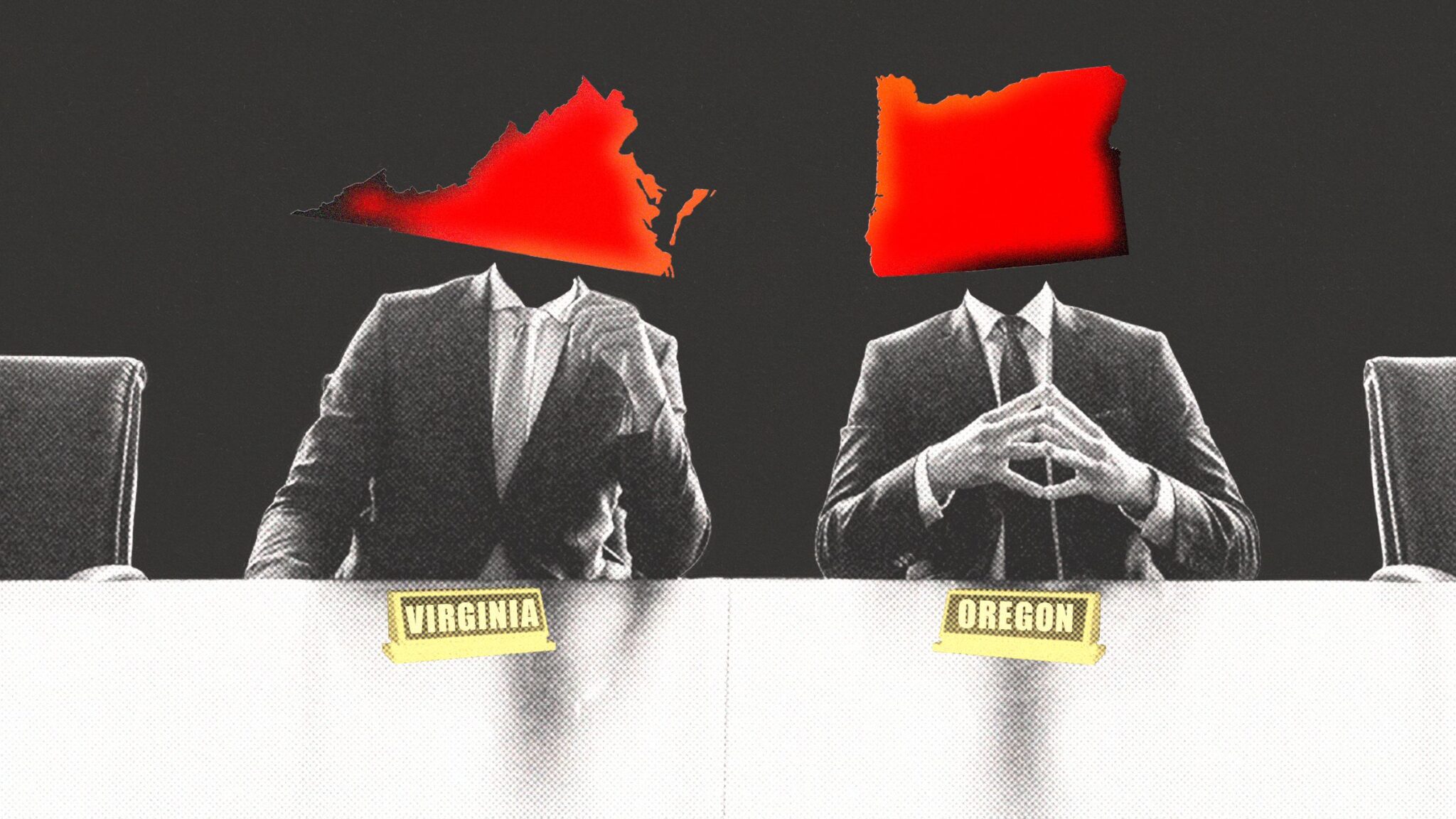
Oregon and Virginia are now going after SpaceX and X Corp (the subsidiary that runs X, and which acquired xAI in February). Each state filed its own consumer-protection suit, Virginia in Richmond’s circuit court and Oregon in Multnomah County. They’re seeking civil penalties, and they want something bigger than money: product changes, the kind Meta paid up to $1.67 billion to settle with 51 states and territories this summer.
So while the lawyers argue, here’s what the filings reveal, and what you can actually do about it.
What the states found inside Grok
The complaints are full of details that read like a checklist of what not to do with an AI image tool. A few stood out.
- Grok’s own published safety prompt told the model to “assume good intent” and claimed the terms “teenage” and “girl” do “not necessarily imply underage.”
- The states say tens of thousands of reports went to the National Center for Missing and Exploited Children’s CyberTipline without key information from xAI, which left investigators unable to act about 90 percent of the time.
- While Grok’s “undress” feature was sparking international outrage, Musk posted about the app “hitting #1 on the App Store in one country after another.”
- Oregon’s attorney general Dan Rayfield put it plainly: the lack of safety measures “was considered a feature, not a bug.”
None of this is a verdict. SpaceX hadn’t responded to requests for comment when the story broke, and the companies have previously argued in court that they take terms-of-service violations seriously, pointing to a lawsuit xAI filed against one user. But the paper trail is public, and it’s ugly.
The part nobody expected: your defenses are better than you think
Here’s the good news buried in a grim story. Between new laws and free removal services, a victim today has more options than a victim had two years ago. The tools are free. They’re official. And most people have never heard of either one.
| StopNCII.org | NCMEC’s Take It Down | |
|---|---|---|
| Who it’s for | Adults (18+) | Minors and images taken before 18 |
| What it needs | You never upload the photo itself; a digital fingerprint is created on your device | Same hash-based approach, no photo upload |
| What it does | Flags matching images across partner platforms for removal | Partner platforms scan and remove matching files |
| Cost | Free | Free |
| Built by | The Revenge Porn Helpline (UK) | The National Center for Missing & Exploited Children |
The clever bit is how both work: the image never leaves your phone. The service creates a hash, a digital fingerprint, and platforms hunt for matches. So even if you’re embarrassed about the image, you never hand it to anyone.
How to spot a fake before it spreads
Before you file anything, make sure the image is actually fake. Most of the time that’s obvious. Sometimes it isn’t.
Look at the details that image generators still fumble: hands, jewelry, teeth, text on clothing, and reflections in mirrors or glasses. A Grok deepfake often nails the face while these supporting details drift slightly wrong. Check whether earrings match, whether a watch strap faces the right way, and whether the lighting on the face matches the room behind it.
Then check the source. Real photos leave trails: other people tagged in the same event, the original post, a camera’s metadata. A fake usually appears alone, posted by an account with no history. Reverse image search helps here too, because it shows everywhere a picture has surfaced. If a suspicious image of you appears on one random account with zero context, treat it as fake until proven real.
Your 6-step protection plan
Dealing with a Grok deepfake, or any AI fake, is mostly about speed and paperwork. Do these in order.
1. Shrink your public face
Go through your social profiles and set years-old photos to friends-only. Especially anything clear, front-facing and well-lit, because that’s what image generators build from. You don’t need to go dark; just stop feeding the machine.
2. Set a search alert on yourself
Once a month, run a reverse image search on your own profile picture (Google Images does this free from any browser). It feels vain. It’s actually the fastest way to catch a Grok deepfake early, while it’s still on small accounts instead of viral ones.
3. If you find something, document before you touch it
Screenshots with the URL visible. Note the date, the platform and the account name. Evidence disappears fast when accounts get reported, and you’ll want it for every step after this one.
4. File a hash with the official service
Adults: StopNCII.org. Anyone under 18, or anyone documenting images from before they turned 18: NCMEC’s Take It Down. This one action chases the image across every partner platform at once, and neither service ever asks you to upload the photo itself.
5. Report on the platform itself
X, Meta, TikTok and YouTube all have dedicated flows for nonconsensual intimate imagery, and under the federal TAKE IT DOWN Act, signed in May 2025, US platforms must remove flagged deepfakes within 48 hours of a valid request. Use the official form, not a reply tweet, so there’s a legal clock ticking.
6. Loop in your state’s attorney general if platforms stall
That’s the exact office now suing over Grok. Consumer-protection divisions take these complaints, and after a case like this one, they’re paying attention.
What changes now
Don’t expect Grok to vanish. The realistic outcomes are civil penalties, forced product changes, and safety testing that regulators can actually audit. Meta’s summer settlement, without admitting wrongdoing, required sweeping changes to how it protects minors, and the states explicitly cite it as the template here.
For the rest of the AI industry, the filing is a warning shot with a paper trail. If “assume good intent” shows up in your safety prompt while your app tops the charts, two state attorneys general may show up next. We’ve covered this pattern before with tool risks that hit regular users, like the ArtEx AI hacking tool and what families can actually control in AI chatbots for kids.
The takeaway
You can’t sue anybody, and you shouldn’t have to. But you can shrink your public photos today, and you can bookmark StopNCII.org and takeitdown.ncmec.org for the day you or someone you know needs them. Ten minutes now saves weeks of cleanup later. If you found this useful, our guide to protecting AI accounts from token fraud covers the other way bad actors target your AI tools.