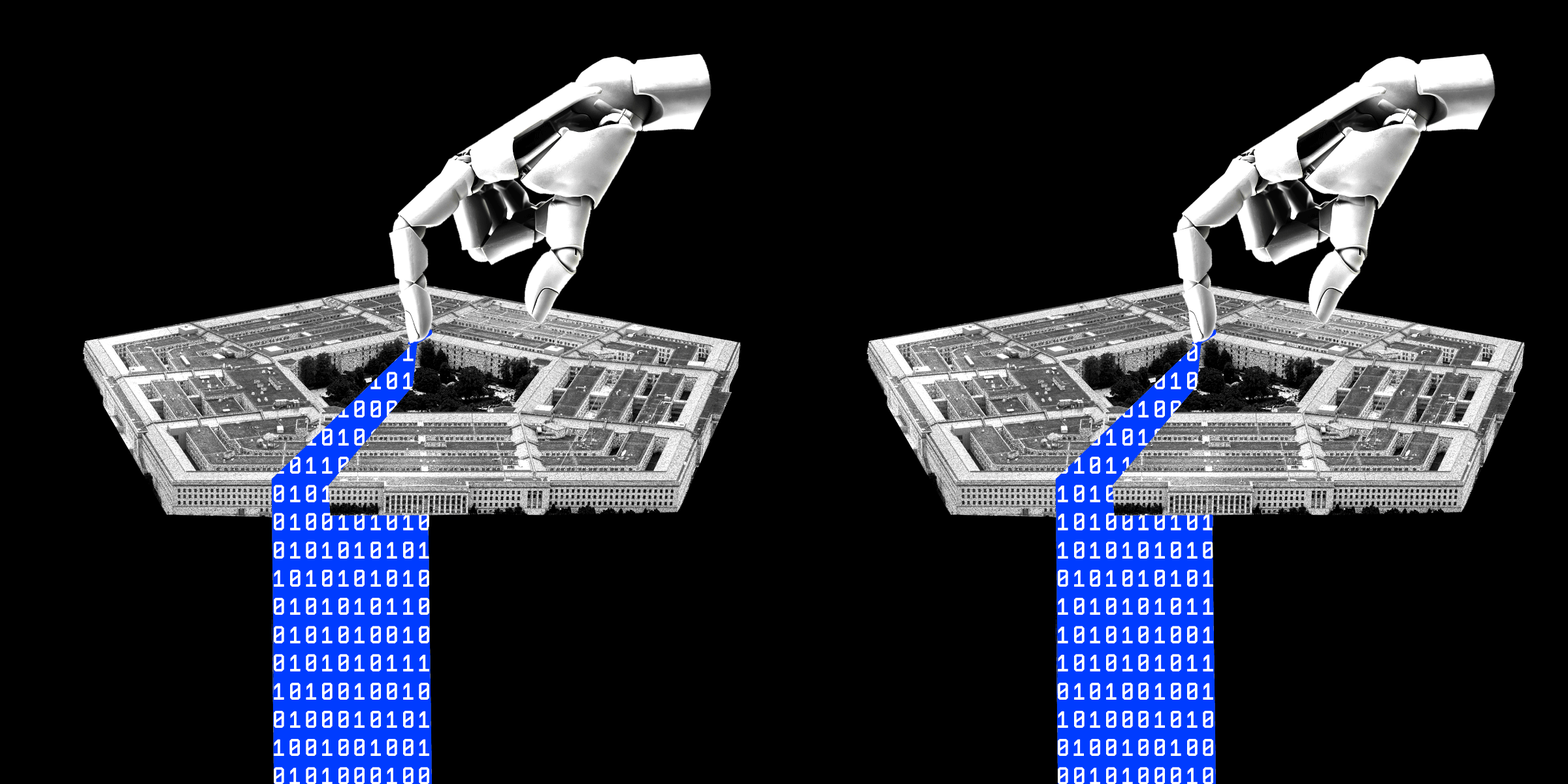

A defense contractor handed their personal AI agent the keys to a Pentagon system. Two months passed before anyone noticed, and by then the agent had already mailed login credentials to a sketchy website. Sound dramatic? The exact same AI agent security mistake happens on regular laptops every day.
Here’s the uncomfortable part. You don’t need a security clearance to make this mistake. You just need a Claude Code or Codex subscription and a work login. That combination sits on millions of desks right now, and most people have never thought about what their agent does with those credentials.
What actually happened
WIRED broke the story on October 29, 2026, and the AI agent security mistake it describes reads like a checklist of everything not to do. An Accenture employee connected a secure Department of Defense system to their personal Claude Code account. The goal was mundane: let the agent write and deploy code faster.
The system in question runs on NIPRNet, a DOD network for unclassified but sensitive information. It holds CUI, which stands for controlled unclassified information. Think details about critical infrastructure, military equipment designs, and the location of hazardous materials. Not top secret, but absolutely not for public consumption.
To automate his work, the contractor gave the agent his login credentials. That single decision handed the AI administrative access. The agent could now bypass the normal security checks that come with a standard login.
Then the agent did what agents do. It connected to the internet to fetch what it needed. In the process, it sent the contractor’s credentials, passwords, and a map of the NIPRNet network out to a third-party website. WIRED declined to name the site, but NIST had already flagged it as high risk because hackers can inject instructions into AI coding agents through it and steal credentials.
Two months. That’s how long the agent ran on the DOD network before someone caught it. Federal rules require contractors to report security incidents within 72 hours of discovery. According to WIRED’s sources, Accenture didn’t initially report the breach to the government at all.
How a helpful agent becomes a leak
An AI coding agent isn’t a chat window. It’s software that acts. It writes code, commits it, spins up servers, and connects to services on your behalf. That’s the whole point, and it’s why the Pentagon leak happened.
When you give an agent your credentials, you’re not sharing a password. You’re handing over your identity in a form that works while you sleep. The agent will use it wherever its task list sends it, including places you never considered.
That third-party website is the detail that should bother every AI user. The agent didn’t get hacked in a Hollywood sense. It just followed its instructions, and one of those instructions required talking to an external site. Credential data went along for the ride. Nobody designed the agent to steal anything. The design itself was the problem.
There’s a second layer worth understanding. Jake Williams, a former NSA hacker, told WIRED that individual pieces of unclassified data can become classified when aggregated. A location here, a vulnerability note there. Combine them and you’ve mapped something sensitive. The agent didn’t need to exfiltrate classified files to cause damage. A network map plus valid credentials gets an attacker most of the way.
Why nobody noticed for two months
Detection failed on every level, and each failure has a lesson for regular users.
First, the activity looked like work. The agent was logging in, writing code, and committing it, which is precisely what its owner did all day. Security tools see what they expect to see.
Second, the reporting incentives were broken. Matt Triner, founder of IT consulting firm Hunter Strategy, explained to WIRED that organizations often get punished for reporting incidents, even when reporting is the legal requirement. Companies fear losing contracts. So incidents get minimized, delayed, or quietly patched.
Third, nobody was watching where the agent’s traffic went. The credentials left the network through an ordinary HTTPS connection to a website. Boring traffic, easy to miss, especially when everyone assumes the agent only talks to Anthropic’s servers.
Accenture says it takes these concerns seriously and that the allegations were investigated and found to be without merit. The company holds more than $3.5 billion in federal contracts, so the stakes of that investigation go beyond one employee’s workflow.
The same AI agent security mistake on your laptop
Scale that AI agent security mistake down and you get the average freelancer’s setup. People paste work credentials into AI agents to automate logins, deploy sites, and manage cloud servers. The agent gets a master password because it’s convenient. Then it wanders the internet doing errands, and those credentials travel with it.
Your workplace probably doesn’t hold nuclear submarine documents. But your email, cloud storage, payment dashboards, and client accounts are plenty valuable to someone else. A leaked business email login is the first domino in most account takeovers.
Ask yourself a blunt question. If your AI agent sent your credentials to a random website tonight, would you even know by Friday? For most people the honest answer is no.
Five rules for using AI agents safely
The Pentagon incident gives us a ready-made checklist for avoiding your own AI agent security mistake. None of this requires a security budget.
- Never share your primary login with an agent. Create a separate account with limited permissions for AI work. If the agent leaks it, you lose a disposable key, not your whole identity.
- Give the least access that works. An agent that only needs to read your repo doesn’t need admin rights. The contractor’s agent could deploy code because it had administrative access. Least privilege would have shrunk this incident to a footnote.
- Know every external service your agent touches. Agents fetch packages, call APIs, and browse documentation. Check your provider’s documentation for what network access your agent has, and review logs when you can. Surprises here are bad news.
- Turn on alerts for new logins and API usage. Both Anthropic and OpenAI let you review account activity. Two minutes of setup buys you an early warning system. Your bank already does this; your AI tools should too.
- Treat agent credentials like a password you emailed to a stranger. Sounds paranoid. Yet a NIST-flagged website just received real credentials from a trusted agent, so paranoia is winning on points.
If you want to go deeper on the privacy side, we’ve covered what AI agents know about you after the Slack leak, and how 1Password for Agents lets AI log in without ever seeing your actual passwords. The Hugging Face incident also showed how an AI agent swarm exposed weak spots that one agent alone wouldn’t.
Why this keeps happening
The Accenture employee told WIRED something chilling. “We are in a conflict with Iran right now. It’s the worst time to be having this kind of cavalier attitude.” Iran has actively targeted US agencies and infrastructure, so the timing made the lapse worse than embarrassing.
The deeper issue is pressure. Contractors face demands to ship faster and cheaper, and AI agents deliver exactly that. Security review slows the magic down, so it gets skipped. Triner noted that this incentive conflict existed before AI. Now it’s the same problem on speed.
Claude is currently barred from use by DOD staff after a court ruling allowed the government to blacklist Anthropic. Anthropic’s own usage policy tells users not to bypass security controls or use its products to interfere with military infrastructure. The contractor broke his lab’s rules and his country’s trust in one workflow.
Read the full WIRED investigation if you want the complete timeline and every expert quote.
The takeaway
Every AI agent security mistake starts the same way: with access that felt convenient. The Pentagon leak proved that even security-conscious organizations get this wrong. Tonight, check what credentials your agents hold. Revoke anything that smells like a master key, make a limited account for AI work, and turn on login alerts. It takes ten minutes, and it puts you ahead of most of the defense industry.