
Flagship AI models used to come with flagship prices. Claude Opus 5.5 just broke that pattern: it matches Anthropic’s previous top model and costs about 40% less to run on typical work. If you skipped the expensive tier before, this one deserves a second look.
Anthropic released Opus 5.5 on September 22, 2026, and it’s the first model in the new Claude 5.5 family. So what do you actually get, what does it cost, and is it worth it for someone who isn’t running a giant engineering team? Let’s go through the real numbers.
What Claude Opus 5.5 actually is
Claude Opus 5.5 is Anthropic’s new flagship. In plain terms, it replaces Opus 5 as the smartest model the company sells. According to Anthropic’s own launch post, it performs at the level of their previous top model on most everyday work, and it does that for about 40% less money once you factor in both pricing and token use.
The headline uses words like “flagship”, but the practical part is what it can finish in one go. One early tester moved a 680,000-line codebase in under a day, which is the kind of job that normally eats a whole engineering team’s month. Another one had it audit and fix a 200,000-line codebase in under three hours, where the old Opus 5 took more than 20 hours and burned through 2.5 times as many tokens.
For regular people, the interesting bit isn’t the code heroics. It’s that Opus 5.5 writes more clearly than the model it replaces, puts the important stuff first, and holds up better over long working sessions. Anthropic also says it’s less likely to take actions you didn’t ask for, which matters if you let AI touch anything important.
The price drop, in real numbers
Here’s where Claude Opus 5.5 gets interesting for your wallet. API pricing is charged per million tokens, and almost every line item got cheaper than Opus 5.
| Token type (per 1M) | Opus 5.5 | Opus 5 | Change |
|---|---|---|---|
| Input tokens | $4.00 | $5.00 | 20% less |
| Output tokens | $20.00 | $25.00 | 20% less |
| Cache reads | $0.20 | $0.50 | 60% less |
| Cache writes | $5.00 | $6.25 | 20% less |
Cache reads deserve a quick explanation, because they’re the hidden cost of AI agents. When a tool like Claude Code re-reads the same project context over and over, cached tokens are what you pay for most of the time. Cutting that rate by 60% is why Anthropic can claim 40% overall savings on typical agent workloads.
There’s also a fast mode if you’re impatient: it runs up to 2.5x quicker and costs $8 per million input tokens and $40 per million output. Meanwhile, subscribers didn’t get ignored. Five-hour usage limits went up on Pro, Max, Team, and Enterprise plans, and Anthropic added a rate-limit reset you can save and spend whenever you want.
For context on how aggressive this pricing is, a cheaper rival like Kimi 3.1 Pro still undercuts it for raw output cost, but Opus 5.5 is now priced like a mid-tier model instead of a luxury one. That’s a real shift. As a result, the “flagship tax” you used to pay for top-shelf intelligence just shrank by nearly half.
How good is it, actually?
Price means nothing if the model is worse. So here are the benchmark numbers from Anthropic’s launch page, with OpenAI’s GPT-6 (the “Astra” configuration) for comparison.
| Test | What it measures | Opus 5.5 | Opus 5 | GPT-6 Astra |
|---|---|---|---|---|
| Terminal-Bench 4.0 | Multi-step coding in a terminal | 66.4% | 52.3% | 57.9% |
| FrontierCode v1.1 | Code changes good enough to merge | 54.4% | 48.0% | 53.3% |
| OSWorld 2.1 | Controlling a computer | 81.8% | 74.0% | not reported |
| Humanity’s Last Exam | Hard reasoning with tools | 67.7% | 63.6% | 57.2% |
Independent reviewers back this up. Artificial Analysis ranks Claude Opus 5.5 as the #1 model out of 215 tracked, with the highest intelligence index they’ve measured. It’s not flawless: in some scientific research benchmarks, GPT-6 Astra still scores higher. But for agentic coding and computer use, which is where people actually earn money with these tools, Opus 5.5 leads.
One more real-world data point: when Anthropic asked models to rewrite the HAProxy networking tool from C into Rust, Opus 5.5 and the previous top Claude both passed nearly all of the software’s own regression tests. Opus 5.5 finished in 9.5 hours instead of 12, and it cost 51% less to run. Same quality, faster, cheaper. That’s the whole story of this release in one example.
The catch: it talks a lot
No release is perfect, and this one has a quirk worth knowing before you spend money. Claude Opus 5.5 is chatty with its thinking. Artificial Analysis measured it producing 260 million output tokens across their test suite, roughly three times the median, and its cost per completed task lands around $5.98.
In other words, the price per token dropped, but the model tends to use more tokens per job. For hard tasks, that trade is still a win. For simple tasks, it’s like hiring a senior consultant to label your spreadsheet tabs. If your workload is mostly routine, a smaller model will do the same job for pennies.
There’s also one quirk on the API: thinking mode can’t be switched off entirely on Opus 5.5. For beginners this mostly doesn’t matter. It just means the model always reasons before answering, which is part of why it uses more tokens.
The Claude 5.5 family at a glance
Opus 5.5 isn’t alone. Sonnet 5.5 and Haiku 5.5 arrived in the following weeks, and the three cover very different jobs.
| Model | Input per 1M | Output per 1M | Best for |
|---|---|---|---|
| Claude Opus 5.5 | $4.00 | $20.00 | Hard, multi-step work and coding |
| Claude Sonnet 5.5 | $2.00 | $10.00 | Everyday work at half the price |
| Claude Haiku 5.5 | $0.10 | $0.50 | High-volume, simple tasks |
(Prices shown are for prompts up to 100K tokens. Haiku 5.5 charges five times more above that, so read the fine print if you feed it huge documents.) If you want the short version of the small model, I broke down what Haiku 5.5’s $0.50 pricing actually buys in an earlier post.
So which one should you pick? Here’s my honest take after reading every benchmark Anthropic published. For most beginners, Sonnet 5.5 is the better starting point: it’s strong, half the price, and rarely the reason a project fails. Opus 5.5 is the one you reach for when the job is genuinely big, like a full codebase migration, a research-heavy report, or an agent that runs for hours. Haiku 5.5 handles the boring bulk work. If you’re on the Claude app instead of the API, the Pro plan gives you access to the whole lineup anyway, and my guide to which Claude model to use walks through that decision too.
How to try it today
Getting your hands on Claude Opus 5.5 takes about five minutes. Pick the path that matches how you work.
1. In the Claude app. Go to claude.ai, open the model picker, and select Opus 5.5. It’s available on free, Pro, Max, Team, and Enterprise plans, so you can try it before paying anything.
2. Through the API. Grab a key at platform.claude.com and use the model ID claude-opus-5-5. Set your effort level thoughtfully: higher effort means better results and a bigger bill.
3. On a cloud platform. It’s also live on Amazon Web Services, Google Cloud, and Microsoft Azure, which matters if your company already runs everything there. And if you’re deciding between paying per token versus a flat subscription, my breakdown of AI subscription plans covers the break-even math.
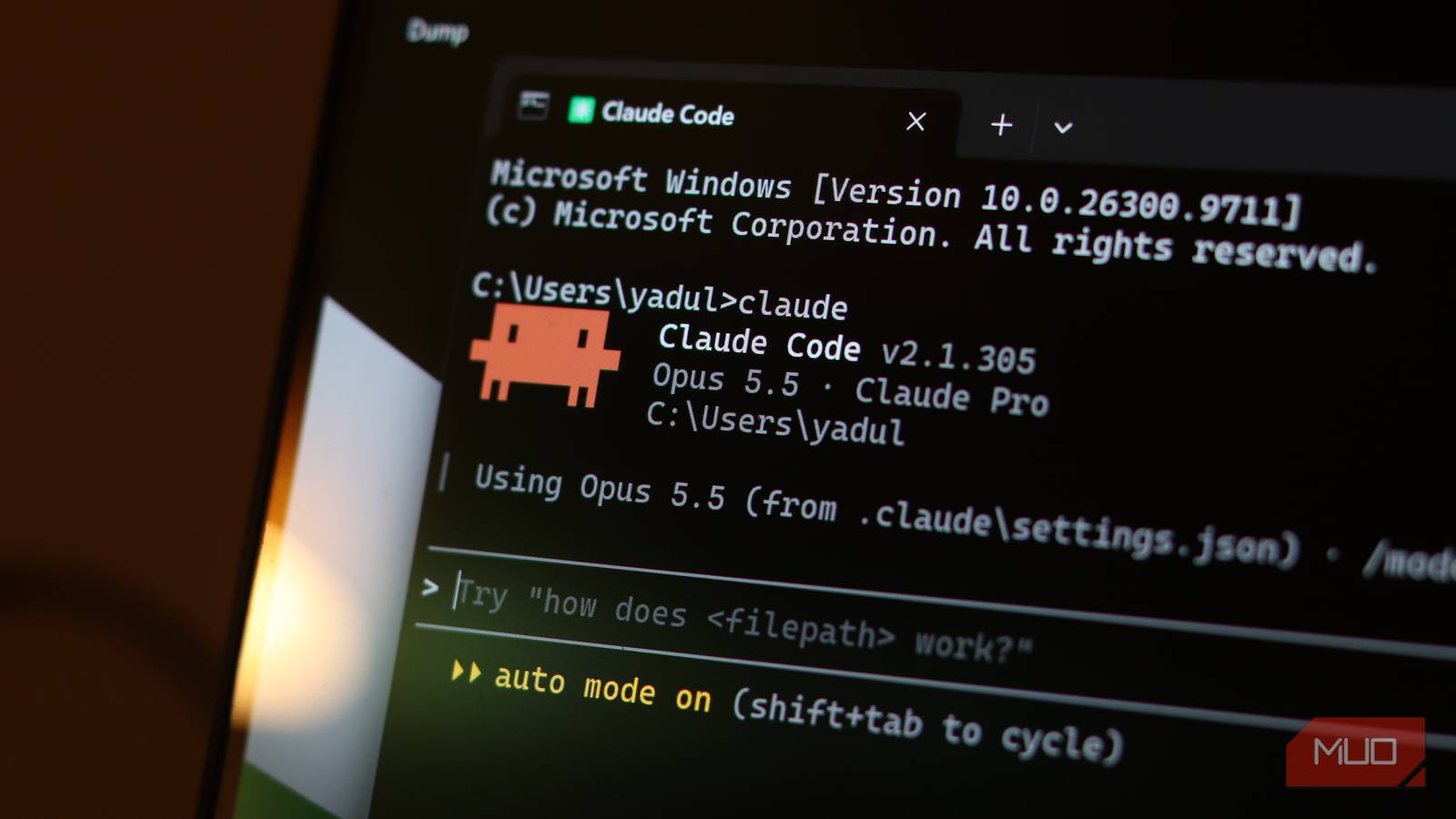
4. If you build agents. Point your workflows at it and let prompt caching do its thing. That 60% cache-read discount is exactly where agent savings come from.
Should you pay for it?
If your work involves long, complicated tasks, Claude Opus 5.5 is the best deal the flagship tier has ever offered, and the benchmark lead over both Opus 5 and GPT-6 is real. If your day is mostly quick questions and simple text, stick with Sonnet 5.5 or Haiku 5.5 and pocket the difference. Either way, try Opus 5.5 once on your hardest task this week; the free tier in the Claude app is enough to see the difference for yourself.