
Two flagship AI models, one decision, and a price hike landing December 1 that changes the math. Gemini 4 Argon vs GPT-6 is the comparison everyone buying an AI subscription is running right now, and the answer is genuinely more interesting than the fan wars suggest. I dug through the hands-on tests, the real API prices, and the fine print so you don’t have to.
The quick answer
If you want the verdict without the tour: GPT-6 (the Sol variant) is the one you pick to build things, because it cares about how the result works, not just how it looks. Gemini 4 Argon is the one you pick to explain things, because its plain-language breakdowns are in a class of their own. On raw capability they’re nearly inseparable. On price, Argon undercuts everything until its intro deal expires on November 30.
That’s the map. Now the details that decide which camp you fall into.
What these two models actually are
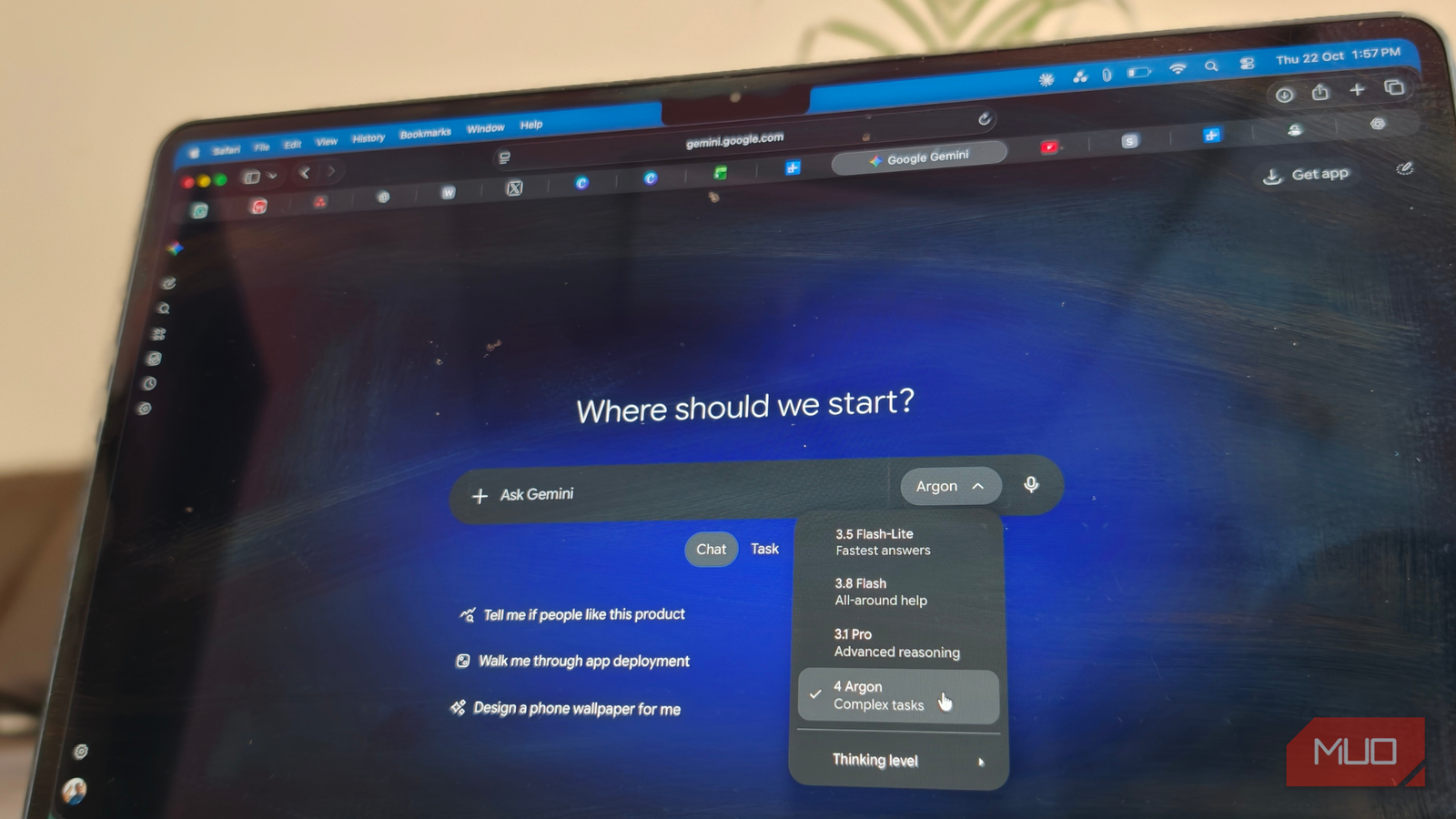
Gemini 4 Argon is Google’s newest frontier model, aimed at complex coding, cybersecurity defense, robotics, and long reasoning chains. It landed in early October, and we already covered what makes Argon tick when it launched. Google is clearly treating it as a statement piece.
The GPT-6 family is OpenAI’s current lineup, and it comes in flavors. GPT-6 Astra is the heavyweight. GPT-6.1 Sol is the quick, cheaper workhorse that most ChatGPT users actually touch, and it’s the version that shows up when you pick Sol Medium in the app. If Sol is new to you, our GPT-6.1 Sol breakdown covers the shuffle. When people say GPT-6 in a review, they usually mean one of these two.
Both companies let you use the models through paid apps or through the API, where developers pay per million tokens. That second path is where the Gemini 4 Argon vs GPT-6 comparison gets spicy, and where beginners building small projects can get burned if they don’t look.
Test 1: building a game you can actually play
A MakeUseOf writer handed both models the same prompt: build a cat-on-a-skateboard game in a single HTML file, playable in the browser, with a score, speed that ramps up, and touch controls for phones. Same instructions, two very different instincts.
Gemini 4 Argon finished first, about three minutes against GPT-6 Sol’s three minutes and thirty-seven seconds. It also streamed a live preview while building, which makes the whole thing feel less like waiting and more like watching. Visually, Argon’s retro-styled game won without contest. Then came the playtest. Argon’s game used two directional buttons, and once the speed ramped up, controlling the cat turned into thumb gymnastics. Sol’s version looked plain, but it gave the cat a slider instead of buttons, and the slider made the game genuinely playable at speed.
So the prettier model built the more frustrating game. If you’re vibe-coding small tools or toys, that lesson transfers: the model that sketches a prettier screen isn’t automatically the one that ships the thing you’ll actually use. Sol took this round.
Test 2: the math road trip
Second test: plan a 600 km trip in an electric car with partial battery, chargers of different speeds, and a floor on how low the charge can drop. Both models got the same puzzle and both nailed the correct answer in roughly 32 seconds. The difference was the explanation.
Argon understood plain language the way a good teacher does. It split the reasoning into small sections, used two sets of pointers, and closed with a table tying the whole plan together. Sol’s explanation was correct but thinner, and anyone who has ever nodded along to an explanation they didn’t fully follow knows why that gap matters. Round two went to Gemini 4 Argon, and honestly, if you use AI to learn things rather than build things, this is the round you should weight the most.
Test 3: the security audit
The final test planted seven security flaws in a Flask app and asked both models to play auditor: find every vulnerability, rank the severity, explain the exploit in one line, and deliver a fixed file. No padding.
Both caught all seven flaws. Both wrote clean fixes. Sol finished in four minutes eighteen seconds, Argon took closer to five, which is a rounding error on a task this heavy. Argon’s write-up went deeper on how each flaw could be exploited, while Sol’s was tighter and faster. When one model is a bit more thorough and the other a bit quicker, calling a winner would be theater. This round was a tie, and it matches what formal benchmarks keep finding: at the frontier, capability differences are smaller than the marketing suggests.
Gemini 4 Argon vs GPT-6 on price
Here’s where the decision gets sharp. API pricing per million tokens, verified this week:
| Spec | Gemini 4 Argon | GPT-6 Astra |
|---|---|---|
| Input / output per 1M tokens | $2 / $10 through Nov 30, then $4 / $20 | $10 / $50 |
| Cached input per 1M | $0.10, then $0.20 | $1.00 |
| Long prompts | Same rate across the window | 2x input, 1.5x output past 272K tokens |
| Cost per benchmark task | $1.99 (rises to about $3.98 on Dec 1) | $3.26 |
Two things jump out. First, the Gemini 4 Argon vs GPT-6 price gap is currently five to one on paper, and even after the December 1 price doubling, Argon stays at roughly half of what Astra charges, about even with Sonnet 5.5 and GPT-6.1 Soul. Second, cached input is ten times cheaper on Argon, which matters if you’re building anything that re-reads the same documents repeatedly, since cache hits are how small projects stay affordable. Check the official Google announcement and OpenAI’s GPT-6 page before committing, because both companies have a habit of adjusting prices mid-quarter.
So which one should you actually use?
Match the model to the job and the argument ends:
- Building small apps, games, or tools: GPT-6 Sol, because usable output beat pretty output in the one test that measured it.
- Learning, planning, and anything where you need to understand the answer: Gemini 4 Argon, because its explanations are the closest thing to a patient teacher.
- Heavy coding audits and hard reasoning: genuinely a tie, so let price decide.
- Watching the budget through an API: Argon, at least while the intro price holds. After December 1, the gap narrows to cheaper instead of much cheaper.
If you’d rather test before paying anyone, that’s smart, and our guide to comparing AI models for free walks through exactly how.
The bottom line
For most beginners asking whether Gemini 4 Argon vs GPT-6 changes their life: it doesn’t, but it should change where you spend. Pick Argon while the intro price lasts if you’re starting fresh and cost matters. Stick with ChatGPT if you already live there and your work involves building things, because Sol’s practical instinct is real. The one clearly wrong move is paying frontier prices for tasks a mid-tier model handles for pennies, and that trap has never been easier to avoid.