
A streaming box designed in 2019 just got a $100 price hike, and Nvidia openly blames AI. That’s not a typo or a limited edition. Memory prices are climbing across the entire tech industry, and the gadgets on your shopping list are next in line.
The Nvidia Shield price hike, explained
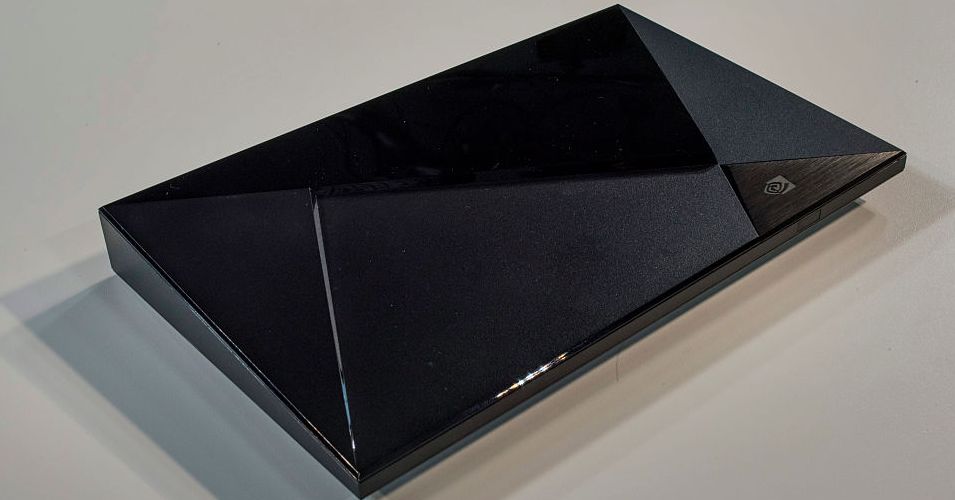
The Shield TV Pro launched at $199.99 seven years ago. Since October 2, it costs $299.99. Same hardware, same aging Tegra X1+ chip, same AI upscaling trick that made it a favorite among home theater nerds. Nvidia confirmed the increase to Ars Technica with unusual candor: “The cost of components, including memory, has increased substantially across the industry.”
With memory prices rising this fast, a seven-year-old product doesn’t get grandfathered in. It just gets a new sticker. You can read Ars Technica’s full report on the Shield price hike for the complete breakdown.
Here’s the part that should raise an eyebrow. Nvidia still manufactures the Shield and, according to the company’s own Andrew Bell, sells every unit it makes. This isn’t leftover old stock being repriced. Fresh units now cost more to build because the parts inside got scarce.
| Device | Launch price | Price now | Change |
|---|---|---|---|
| Nvidia Shield TV Pro (2019) | $199.99 | $299.99 | +$100 |
| PS5 Pro (2024) | $699.99 | $899.99 | +$200 |
And consoles are just the loudest examples. Nintendo, Microsoft, and Sony have all bumped prices on current-generation hardware. The pattern holds for anything with memory or storage inside, which in 2026 means basically everything with a circuit board.
Why memory prices keep going up
The short version: AI data centers are eating the world’s memory supply. Training and running large models takes staggering amounts of RAM and fast storage. Manufacturers can sell memory to data center buyers at premium rates, so consumer gadgets end up competing for what’s left at worse prices.
Nvidia sits on both sides of this trade, by the way. The company sells the AI accelerators driving the demand, which makes it one of the most valuable firms on the planet. A price hike on its hobbyist streaming box is a rounding error next to that business. Ars put it plainly: Nvidia isn’t a victim here.
For a taste of how AI nudges prices in quieter ways, we’ve covered why your Big Mac might cost more than your neighbor’s. Same theme, different mechanism. AI touches what you pay in more places than most people realize.
What to do before your next gadget purchase
You can’t stop the trend, but you can shop around it. Three practical moves:
- Buy the storage you actually need, today. If a phone, laptop, or console upgrade has been simmering on your list, waiting costs money. Prices have risen during products’ lifetimes, not just between generations. The PS5 Pro went from $699.99 to $899.99 without changing anything.
- Question whether you need the premium device at all. The Shield proves the point. Unless you need its deep codec support or Plex server chops, a $50 streamer delivers the same Netflix. Paying a “passion project tax” at $299.99 makes even less sense than it did at $199.99.
- Watch for old stock at old prices. Retailers clear inventory at the pre-hike price sometimes. The Shield is out of stock on Nvidia’s own store but sits at Best Buy for the new $299.99, so deals exist where legacy units remain.
The same discipline applies to your software stack, incidentally. We tracked how the Stripe and OpenRouter deal changes AI bills, because the squeeze isn’t limited to hardware either.
How to spot the next price hike early
The Shield left breadcrumbs, and they’re worth learning to read. Stock ran thin months before the official increase, which is the classic tell: when manufacturing a unit costs more than selling it, companies quietly stop making units. Products don’t usually announce their own obsolescence, so the shelf speaks first.
Second tell: when a company starts blaming components in public, the hike is already decided. Nvidia’s spokesperson quote reads like it was written the same afternoon the new price went live, because it probably was. Once “component costs” language shows up in a statement, the discount window has closed.
Practical rule for the months ahead: if a gadget you want stays in stock normally today, that’s your window. If it starts showing “ships in 2 to 3 weeks” everywhere, history says the tag is about to change. Waiting for a sale that isn’t coming is how you end up paying more for the exact same box.
Will memory prices ever come back down?
Honest answer: nobody credible is promising that. As long as AI builders outbid everyone else for memory supply, consumer prices stay sticky. Shield stock ran thin for months before this hike, which tells you manufacturing new units had already become marginal. Nvidia raising the price is what “it costs what it costs” looks like from a corporate logo.
The ripple effects go beyond gadgets you buy directly. Repair costs climb too, because replacement parts carry the same inflated memory inside. Even cloud-adjacent stuff trends upward, since providers pass data center economics to subscribers eventually. When memory prices stay high long enough, everything downstream drifts that way.
If you’re building on a budget instead of buying, there’s a workaround worth knowing. Running models on hardware you already own dodges the price curve entirely, whether that’s a new Android laptop or an old machine repurposed for local AI.
The takeaway
Memory prices aren’t waiting for you to catch up, so don’t wait for them. Buy the thing you actually need now, skip the premium hardware you don’t, and check remaining stock before paying post-hike prices. Your wallet will notice the difference.