
Your last forgotten free trial probably cost you $15.99, and you found out about it three charges too late. Rowan is an AI financial assistant built to catch that stuff before it bills you: it watches your accounts, texts you when something looks off, and actually cancels the subscription when you reply with one word.
What Rowan actually does
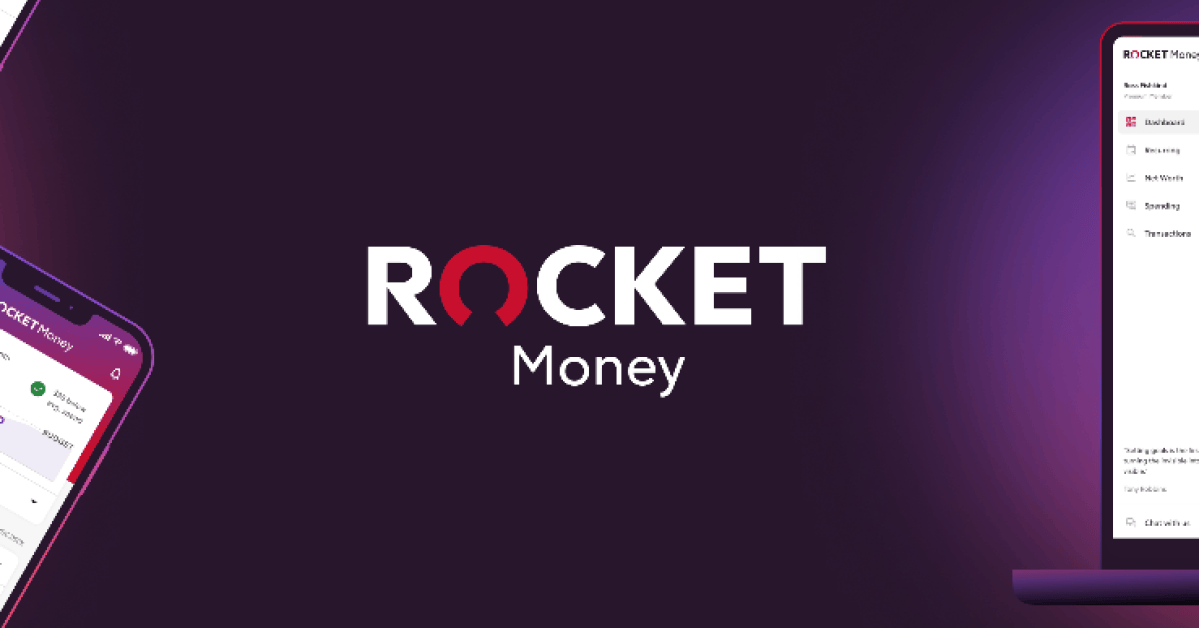
Rowan comes from Rocket Money, the personal finance company, and the AI financial assistant runs on models built with Anthropic, per the company’s launch announcement. The pitch is simple: instead of opening an app and staring at a dashboard, you handle money the way you already handle everything else, by text message. It uses RCS messaging, which is the richer, data-based version of SMS that iPhones and Android phones both support now.
Here’s the flow. Rowan monitors your connected accounts around the clock. When it spots something worth your attention, a subscription you stopped using, a bill that quietly went up, a free trial about to convert, it texts you first. You reply in plain English and Rowan does the work. One of Rocket Money’s own examples: you sign up for a free month of some streaming service, forget it exists, and three weeks later Rowan texts asking if you’re actually enjoying it. You reply “cancel.” Rowan contacts the service, cancels the trial, and confirms when it’s done. No login, no hold music, no cancellation maze designed to break your will.
That’s the difference between this and every finance app you’ve deleted. Budgeting apps show you the problem. Rowan is built to execute the fix, though always with your go-ahead. Rocket Money is explicit that the AI financial assistant needs your direction and authorization before it acts on anything, and it confirms before it moves. That guardrail matters, and we’ll get to why.
The feature list underneath is long: subscription detection and cancellation, trial tracking, bill negotiation, budget alerts, custom savings rules, spending categories, safe-to-spend alerts, and a weekly text summary of what came in, what went out, and where your goals landed. Rocket Money says those summaries are written like a text, not like a statement, which is exactly the right ambition for this kind of thing.
The subscription killer is the real story
Canceling subscriptions is the headline, and it deserves the hype. The average person dramatically underestimates how many small recurring charges they carry, and the whole industry knows it. Companies count on you forgetting. Trials convert because remembering to cancel on a random Tuesday is genuinely hard.
An AI financial assistant that tracks every trial start date flips that power balance. The math is almost embarrassing: Rowan comes with Premium+, Rocket Money’s $15/month tier. Cancel one forgotten trial or talk one bill down and the thing has paid for itself for the year. Bill negotiation is included in that tier too, which used to be a separate service with its own fee.
There’s a clever little example in Rocket Money’s announcement that shows where this is heading. You text: “Every time I buy a coffee, round up to the nearest dollar and put the extra in my high-yield savings.” Rowan sets up the rule, and from then on every latte quietly invests your spare change. That’s not a dashboard feature. That’s a conversation doing what used to require a spreadsheet and discipline.
What a week with Rowan looks like
Concrete helps here, so picture a normal week. Monday morning, a short text recaps last week: what came in, what went out, how your budgets held up. Tuesday, an alert that a new recurring charge appeared, because you signed up for something on Sunday and forgot by Tuesday. Thursday, a heads-up that one of your streaming services raised its price, with an easy way to start a cancellation if you’re done pretending you’ll rewatch that show.
Sprinkle in the smaller stuff: a low-balance warning before your account gets embarrassing, a reminder that a credit card payment is due Friday, and a nudge about a trial you started three weeks ago, the exact moment most people get billed. Every one of those texts is a question with one obvious answer, and you answer it in the thread. That’s the entire user experience. No streaks to maintain, no categories to reconcile, no Sunday night budget session.
Rowan vs your budgeting app
Both approaches have fans, so here’s the honest comparison:
| Rowan (AI assistant) | Traditional budgeting app | |
|---|---|---|
| How you use it | Text messages, no app to open | Open the app, read the dashboard |
| Posture | Proactive: texts you first | Reactive: waits for you to look |
| Cancellation | Starts and tracks the request for you | Tells you the charge exists |
| Bill negotiation | Included, handles the process | Usually absent or a separate paid service |
| Answers | Drawn from your actual accounts | Mostly charts and categories |
| Catch | Needs authorization prompts answered | All the work is still yours |
Traditional apps aren’t useless, to be clear. If you like seeing every category plotted, they’re great at that. We’ve made a version of this argument before when covering why budgeting apps fail for most people: the tool matters less than whether you’ll actually engage with it. Texting is the lowest-effort interface ever invented. That’s the whole bet.
The “answers from your own accounts” part deserves a mention too. Ask a generic chatbot about money and you get generic advice; ask Rowan how much you spent on groceries last month and it reads your actual transactions. We broke down that distinction in our guide to AI financial advice, and it’s the line between a tool that’s useful and one that’s just confident.
What it costs and what you need
The requirements: a Rocket Money Premium+ membership at $15 per month, and a phone that handles RCS in your messaging app (most US phones do at this point). Rowan is available to the primary account holder, and the AI financial assistant works without ever opening the Rocket Money app, though the app is still there for anything deeper. Rocket Money itself has a free tier, but Rowan specifically lives behind Premium+.
Worth noting for the skeptics: this is the same company that built its name on exactly this kind of automation, spotting and canceling junk charges at scale. Rowan is that engine given a conversational interface and Anthropic’s models behind it. If you’ve used and liked tools that track your finances automatically, this is the consumer version of the same idea, minus the bookkeeping vocabulary.
Should you hand it your accounts?
Honest answer: think about it for five minutes before you do. Any AI financial assistant that reads your transactions and can message companies on your behalf is a meaningful chunk of trust. Two things make Rowan’s setup less scary than it sounds. First, it asks for confirmation before acting, so nothing gets canceled or negotiated without a yes from you. Second, it operates through Rocket Money’s existing cancellation and negotiation infrastructure, which has been processing these requests for years; it’s not improvising phone calls with your bank.
Rocket Money also admits the AI can make mistakes and recommends double-checking important details. Good. Any financial AI that claims perfection is lying to you, and one that tells you to verify it is one you can actually build a habit around. The people most likely to love this are the ones who know they’ll never open a budgeting app again but still want the forgotten-trial money back. Fifteen dollars a month to stop bleeding sixteen-dollar subscriptions is, for a lot of people, a trade worth making today.
Takeaway: If forgotten subscriptions and surprise bill hikes are leaking money from your accounts, Rowan is the first AI assistant that fixes them through a text thread you already know how to use. Try it for one billing cycle and count what it saves.