
You copy a draft out of ChatGPT, paste it into a doc, email it to a teammate, and wait for comments to trickle back. OpenAI just killed most of that dance. Its new feature, ChatGPT Space, turns the chatbot into a shared workspace where your team and your AI work on the same pages at the same time.
What ChatGPT Space actually is
Space is a shared area inside ChatGPT where pages, files, and folders live together, like a tiny Google Drive that happens to be best friends with an AI. Announced at OpenAI’s DevDay on September 29, it replaces the old Library for eligible plans. Sam Altman described it simply: your pages and files all live together in Space, except “spaces feel alive.”
That word “alive” isn’t just marketing fluff. A page in Space can carry instructions. You can tell it to check a team channel and update itself with what it finds. So instead of asking ChatGPT for a status summary every morning, the page refreshes on its own.
Here’s the part that matters for regular users: ChatGPT Space lives inside the app you already open, on the web and the desktop client. It’s not a separate product to learn.
Pages: the document that edits itself
The centerpiece is Pages, OpenAI’s answer to Google Docs. A page can hold text, images, charts, tables, and files. You can start one from scratch, or turn an existing ChatGPT conversation into a page so all that back-and-forth becomes an actual document instead of a scroll-up scavenger hunt.
Three ways to use a page:
- Draft with the AI inline. Ask ChatGPT to write, rewrite, or shrink any section. It edits the page directly.
- Collaborate with humans. Invite teammates with view or edit access. Everyone gets their own ChatGPT inside the shared page.
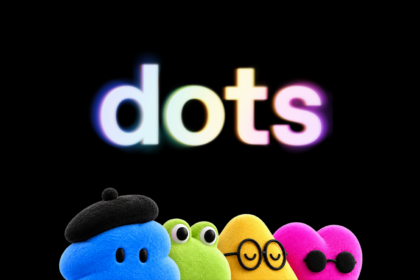
- Hand work to an agent. Comments can tag ChatGPT, Codex, or a Dot (OpenAI’s new agent personas) to request specific edits.
That last one is the genuinely new bit. Imagine leaving a comment that says “find numbers for Q3 and fill the chart” and an agent actually does it. This connects to the always-on agent setup we covered in our OpenAI Dots guide, by the way. Dots are the workers; Space is the office they sit in.
How to create your first page
- Open ChatGPT on web or desktop and look for Space in the sidebar (it replaced Library on eligible plans).
- Click New page.
- Either write directly, paste your chat history into it, or type a prompt like “build a project brief from this conversation.”
- Hit Share to invite people, and set each one to view or edit.
Takes about two minutes. The learning curve is basically zero if you’ve used any doc editor in the last decade.
What a Dot can do on your page
Give a page standing instructions and it stops being a static file. A page watching a Slack channel can pull in updates. A meeting-notes page can reorganize itself after each call. For heavier automation across other apps, Zapier still wins, and our ChatGPT automation guide walks through that setup.
Who can use ChatGPT Space right now
Rollout is the catch. ChatGPT Space is available on the top paid tiers, and the free plan is left waiting outside.
| Plan | Space access at launch |
|---|---|
| Pro | Yes |
| Business | Yes |
| Enterprise | Yes (admin controls apply) |
| Plus | Not at launch |
| Free | No |
Platform support matters too. You can create and edit pages on web and desktop. On mobile, you can find, read, and share them, but editing from your phone isn’t supported yet. Collaborative Slides and spreadsheets were announced as “coming soon,” so the full office suite picture isn’t finished.
If you’re on Plus, there’s nothing to install today. Watch for the rollout before upgrading anything; OpenAI hasn’t announced a date for wider access.
Where it beats the old copy-paste routine
Honest take? For solo use, not much changes. You could already paste a draft into any editor. The upgrade shows up the moment a second person (or a second agent) touches the same work.
Before Space: brainstorm in ChatGPT, export, share, collect comments elsewhere, paste feedback back, repeat. After Space: one page, everyone in it, and the AI stays in the room. OpenAI told ZDNET the whole point is ending that “transfer work elsewhere” loop, and from the demo, the loop does look genuinely closed.
There’s also a safety angle worth a minute of your time. Centralizing work files inside a chatbot means understanding what it trains on and what it stores. Our guide on ChatGPT ad tracking covers the settings worth flipping before you move real work in.
How teams should set it up (a 15-minute plan)
- Pick one pilot project. Something small: a content calendar, a client brief. Don’t migrate your entire company drive on day one.
- Create the Space, then create 2-3 pages inside it. One for notes, one for deliverables, one for agent instructions.
- Write instructions on the agent page. Plain sentences work: “Every morning, summarize new items from this channel below.”
- Invite one teammate as editor. Test comments and agent requests together.
- Check the admin settings if you’re on Business or Enterprise. Workspace sharing rules apply to pages, and IT will want a say.
Teams on Google Workspace won’t find this a full replacement yet; there’s no Sheets-equivalent shipping today. But as a lightweight hub for AI-assisted docs, it’s already usable.
Space vs Projects: do you need both?
Confusion alert, because ChatGPT already has Projects and they sound similar. They’re not. Projects organize your chats, files, and instructions for personal work. Space is where shared pages live, built from the ground up for multiple people and multiple agents to edit the same material at once.
Rule of thumb: if the work is just yours, keep it in a Project. If anyone else (human or AI) needs to touch the deliverable, that’s a job for Space. You can still move a conversation into a page whenever a solo chat graduates into team territory.
The catch (there’s always a catch)
Three limitations to keep in mind. Mobile editing is missing, which stings for anyone who works from their phone. Slides and spreadsheets are still promises, not products. And availability is gated to the top plans, so plenty of paying Plus subscribers will spend the next few weeks reading about a feature they can’t click yet.
Also worth remembering: OpenAI has shipped and killed features before (Sora’s consumer app had a rocky ride). Space looks like a core bet, not an experiment, but lock in slowly.
Your first week with ChatGPT Space
Start with one page, one teammate, and one standing instruction for an agent. That’s enough to feel the difference between “chatting with AI” and “working alongside it.” When the pilot feels smooth, add a second page, then a second project.
The official feature page at OpenAI has the current availability details if you want to check your plan today.