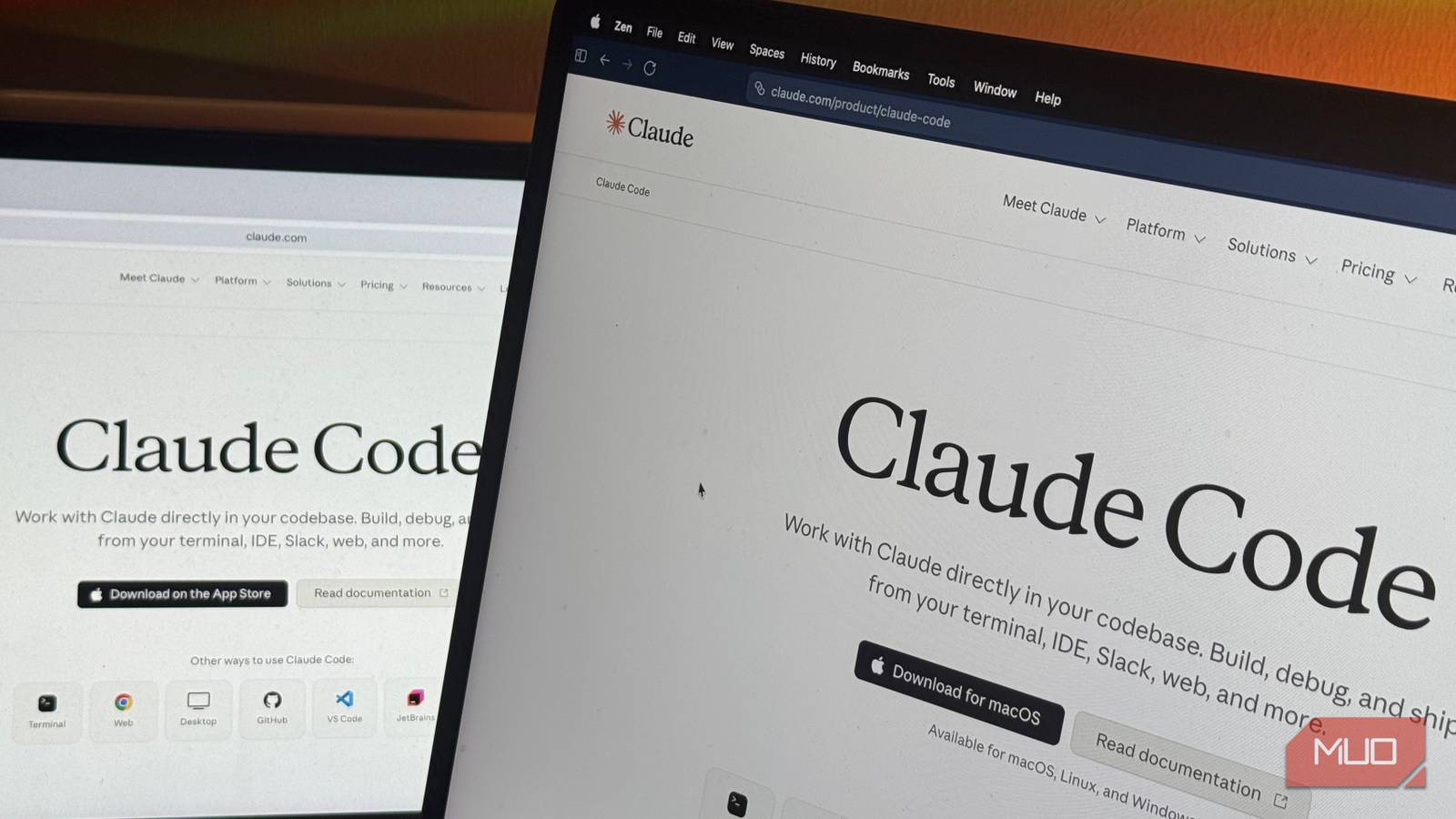

Ask Claude Code for research and watch how it answers. Full sentences, tidy sources, zero hesitation. The problem? It sounds just as confident when it’s wrong, and that’s exactly where Lenz comes in.
The confidence problem
Most people assume a wrong answer announces itself. It doesn’t.
AI mistakes arrive dressed as facts, with the same smooth tone as everything else the model writes. For everyday users doing research (market numbers, product claims, a statistic for a client deck), that’s a real money problem. You build work on top of a fabricated figure, and the correction happens later, in public, usually in front of a client.
Manually checking every claim defeats the purpose of using AI at all. You’d spend the afternoon you saved re-Googling paragraph by paragraph. And if you’ve followed stories like AI hallucinations showing up in court filings, you know the stakes aren’t theoretical. Fake citations have landed real lawyers in real trouble.
So the question isn’t “is your AI lying?” It’s “who’s checking?” Until recently the answer was nobody.
The commercial risk is where this stops being a nerdy side note. Freelancers quote market figures in proposals. Etsy and Shopify sellers write product descriptions loaded with spec claims. Course creators teach from whatever the chatbot told them. One fabricated statistic, repeated publicly, and the audience that trusted you starts fact-checking you instead. Rebuilding that trust costs more than any subscription ever will.
Lenz exists because manual checking doesn’t scale. Copy a claim, open a new tab, search, skim three results, go back, repeat: that’s two minutes per claim, and a typical research summary has a dozen of them. The math never worked. Now the checker is automated, and the math finally closes.
What Lenz actually does
Lenz is an independent fact-checking tool built to sit between your AI and the stuff you publish, send, or ship. The company describes it as an audit-grade fact-checking API, which sounds enterprise, but the free tier makes it usable by anyone.
Here’s the mechanics, minus the jargon. Lenz runs a multi-model pipeline: several different AI models examine a claim, and their combined judgment produces a verdict with a score. Because the checkers aren’t the model that wrote the claim, the assessment is actually independent. It’s the AI equivalent of not letting students grade their own exams.
The tool works through four primitives, and knowing which is which saves credits:
- Extract: pulls the checkable claims out of a blob of confident text. This is free-flowing prose’s kryptonite.
- Assess: a quick verdict in about 10 seconds. No citations, good for triage.
- Verify: the deep check, around 90 seconds, and it returns citations you can click.
- Ask: open-ended questioning when you need something custom.
That split matters. A quick assess run on a low-stakes paragraph costs almost nothing. Reserve the slow verify for numbers and quotes that will leave your desk.
Setting it up in Claude Code
Setup took me about two minutes, and I’ve had worse experiences with printer drivers.
Lenz connects through MCP, the same protocol that lets Claude Code use other external tools. From your terminal:
claude mcp add --transport http lenz https://lenz.io/mcp --header "Authorization: Bearer ${LENZ_API_KEY}"Grab a free API key from lenz.io first. The free tier includes 100 credits per month, which covers about 10 deep verify runs plus a thousand extract operations. For testing the waters, that’s plenty.
After that, Claude Code gains fact-checking tools it can call on request. My favorite pattern: whenever Claude finishes a research summary, I follow with “run every checkable claim through Lenz verify.” Ninety seconds later I get a verdict list with sources. Some claims come back confirmed. A few come back shredded. Both outcomes are useful.
Not a terminal person? You’ve still got options. If you can follow our beginner’s guide to Claude Code, the MCP setup above is copy-paste. And Lenz offers an official connector for Claude’s regular chat interface too, so you can trigger checks by simply mentioning Lenz in your prompt. No installation beyond that.
When to use assess vs verify
The credit math encourages a habit worth building anyway: triage before depth.
Use assess when the stakes are low. Internal notes, brainstorming, a first pass on a topic you’ll revisit anyway. Ten seconds, no citations, move on with your life.
Use verify when the output will face an audience. Numbers in a proposal. Statistics in a blog post. Any claim a client might repeat to their boss. The 90-second wait buys you clickable sources, which means you’re not taking Lenz’s word for it either. Trust, but click.
A personal rule that’s saved me: anything with a dollar sign, a date, or a percentage gets verify. Everything else can ride on assess. That one habit catches the mistakes that actually cost money, because those are the details people quote back at you.
This pairs nicely with the other safety net worth running: Claude Code’s debugging workflow when you’re using it for code, and Lenz when you’re using it for words. Different failure modes, same philosophy. Check the machine’s homework.
Who needs this
Writers and researchers, obviously. But the bigger winners are the people using AI for business content without a research team behind them: freelancers drafting client reports, marketers pulling stats for campaigns, students who’d rather not cite a hallucinated source.
One honest limitation deserves its own sentence. Lenz checks claims, not judgment. It can confirm a statistic is real while missing that your argument misuses it, so treat verdicts as inputs to your thinking rather than replacements for it. Also worth knowing: niche topics get thinner coverage from any fact-checker, since there’s less published material to verify against. Mainstream claims (prices, dates, well-known studies) are where it shines.
Is it perfect? No. Multi-model checking still takes time, verify runs chew through the free credits if you go wild, and a fact-checker is another tool to remember. But it catches the confident nonsense that slips through every single day, and the price of entry is zero.
The takeaway: AI fluency in 2026 isn’t just prompting well. It’s building a cheap verification layer between the model and your reputation. Set up Lenz this week, run your last AI-generated document through it, and see what shakes out. Might be nothing. Might be the fact that would’ve embarrassed you in a meeting.